

My blog focuses on Organizational/Management and Workplace Discussions. When you’re running any kind of organization, one of the most important things is the focus and wellbeing of your staff. The following contributed post is entitled, How to Design a Workplace That Supports Focus and Wellbeing.
* * *
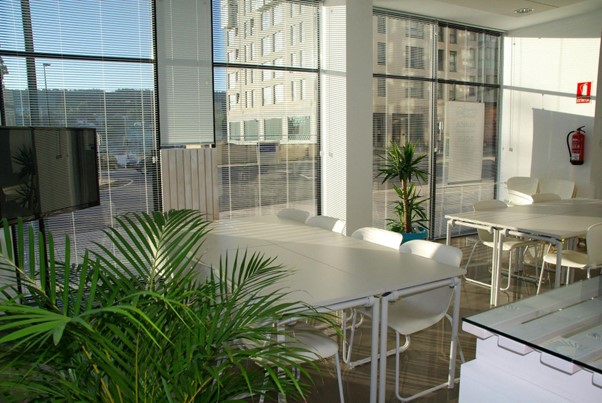
Designing an office for employee wellbeing isn’t as complicated as you might think. It’s not just an aesthetic issue. It’s creating an environment that supports physical and mental health as well as emotional wellbeing.
And with MIND finding that 70% of employees have experienced poor mental health, it’s not a stretch to connect the fact that employees who feel supported in the workplace feel better and work better.
But how exactly do you design your workplace with these factors in mind?
Reduce Distractions
Acoustics can play a significant role in a disruptive workplace, whether it’s
● noise from other workplaces in a shared building
● noise from other areas of your business distracting different departments
● external noise
● chatter in the immediate workspace
Poor acoustics can lead to increased noise levels and distractions. And if employees are struggling to work, it’s going to have a knock-on effect on their wellbeing and their productivity levels.
Working with an acoustic engineer can help you understand how sound travels and what you can put in place to limit noise distractions and make things quieter and more comfortable for everyone.
Incorporate Biophilia
Biophilia decor is simply incorporating plants into the office.
There are multiple studies showing the positive impact plants and nature have on mental health and stress levels. One such study is from the University of Exeter. They found employee productivity increased by 15% when plants were introduced into the workplace. Plus, some plants are natural air purifiers, so they have dual benefits.
Encourage Breaks
It’s not all about the physical design and aesthetics in the workplace that matter. It’s how you treat employees, too. Encouraging regular breaks, not encroaching on employees’ personal time and making space for people to relax away from their workstations is highly beneficial for the company and the employees.
Employees need breaks throughout the day to rest, recharge, and take a minute for themselves in a calm and quiet environment. Studies reinforce the fact that regular breaks boost productivity too, so it’s a win-win.
Choose The Right Colour Scheme
Did you know the colour scheme you use in your workplace can impact how employees feel each day and how productive they are? There are some colours that are known to promote wellness and relaxation, and others that do just the opposite.
If you’re going to something that is calming, try blues and greens; paler shades, not bright colours, as these will have a different impact. For productivity, try pops or yellow and orange. You’ll find five more into colour theory and colours in the workplace to help you uncover the perfect colours and shades for your working environment.
KLighting
Lastly, but not least, is the type of lighting you include in the workspace. Poor lighting leads to eye strain and low mood, while lighting that is too bright can increase headaches.
Ideally, you want as much natural light in the office as possible. But for the most part, natural light alone isn’t enough to light an office, warehouse or even retail unit, far from it. Combat this by choosing low-glare lighting and shades that mimic natural lighting as much as possible.
Circadian lighting can also be a help in reducing the impact artificial lighting has on the body, too. Artificial lighting disrupts sleep patterns. But circadian lighting promotes natural sleep cycles, helping employees better regulate their sleep patterns and feel well-rested and ready to tackle the day.
