

My blog focuses on Science, Technology, Engineering and Mathematics. An area not many people are aware of is Inclusive Design. It is important are that impacts multiple domains around us. The following contributed post is entitled, The Science of Inclusive Design for Everyone.
* * *
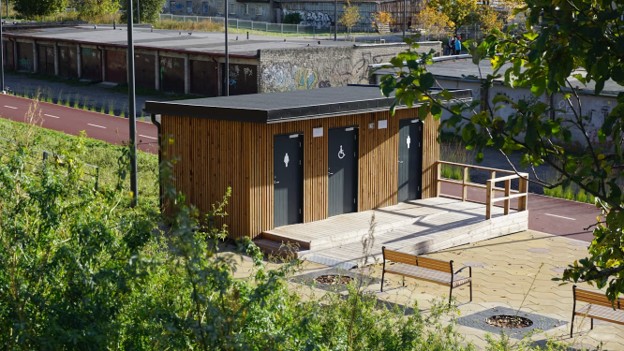
Image Credit: Unsplash
When you walk into a building, use a website, or navigate a public park, countless design choices shape your experience. For many, these designs are invisible; they just help you get something done. But for others, a poor design can be a barrier, stopping them from taking part.
This is where inclusive design comes in. It goes beyond just following rules to create places and products that genuinely work for and welcome everyone, no matter their age, ability, or background.
Understanding Universal Design
Inclusive design really centers on the principles of universal design. This idea pushes for creating spaces, products, and services that are naturally easy for everyone to use. Instead of designing for an “average” person and then adding special features for others, universal design aims to make one solution work for all kinds of people right from the start.
Think about curb cuts on sidewalks. They were first made for people in wheelchairs, but they also help parents with strollers, travelers with rolling luggage, and delivery workers with carts. This is a great example of how designing for one group’s needs can make things better for everyone. The main thing to remember is that human abilities cover a huge range. Truly universal design and accessibility are about being proactive, not just reacting, and building fairness into a project from the ground up.
The Role of an Access Consultant
Turning universal design ideas into a real building or public space takes special know-how. It’s more than just following building codes; it’s about understanding how people actually use their surroundings. This is where an access consultant becomes incredibly helpful. These experts work with architects, developers, and city planners to check designs and actual sites. They spot potential problems that might not be obvious otherwise.
An access consultant looks at everything, from how wide a doorway is to the color contrast of signs and how a room sounds. They give expert advice on how to make spaces that not only follow the rules but are also practical, respectful, and comfortable for people with different physical, sensory, and thinking abilities. Their involvement makes sure that inclusivity is a key part of the design process, not something added on later.
Cognitive Science and Accessibility
Inclusive design isn’t just about physical access; it’s also about how our brains process information. Our minds can only handle so much at once. When a design is confusing, messy, or doesn’t make sense, it makes our brains work harder, making it tough to finish a task. This affects everyone, but it can be a big problem for people with cognitive disabilities, learning differences, or even just someone who’s stressed or in a hurry.
Good inclusive design uses ideas from science to make this mental effort easier. You can see this in:
● Clear and consistent navigation: Like predictable website layouts and consistent signs in buildings.
● Simple language: Avoiding jargon and complicated sentences in instructions and information.
● Step-by-step guidance: Breaking down complex tasks into smaller, easier-to-manage pieces.
When a hospital uses clear, color-coded lines on the floor to guide patients to different departments, it’s using cognitive design to lower stress and confusion.
Designing for Sensory Needs
Our senses shape how we experience the world, and many people are more or less sensitive to things like light, sound, and textures. An environment that feels normal to one person can be overwhelming or confusing for another. Inclusive design keeps this sensory diversity in mind.
For example, an open-plan office might be efficient, but the constant noise can be draining for employees who are sensitive to sound or have attention issues. A sensory-friendly solution could involve creating quiet zones, using sound-absorbing materials like acoustic panels, or offering noise-canceling headphones.
Similarly, having adjustable lighting lets people control the brightness in their own space, helping those who find harsh fluorescent lights uncomfortable. These thoughtful changes create a more productive and comfortable environment for a wider range of people.
Future of Inclusive Environments
The future of inclusive design is always changing and becoming more personal. Technology is making it possible for environments to adapt in real time to what an individual needs. Imagine a public space where you could use a smartphone app to change the lighting, sound, and even the language on digital displays right around you. Smart home devices already give us a hint of this, letting people control their surroundings with voice commands.
As we learn more about human diversity, we’ll see physical, digital, and cognitive accessibility come together even more. The goal is to create a world where environments naturally fit people, instead of forcing people to adjust to poorly designed spaces. This ongoing progress promises a fairer and more welcoming future for all of us.
