

My blog focuses on Financial Literacy/Money and Business/Entrepreneurship. If you’re running a warehouse, one of your costs will be the operations of your machinery and vehicles. The following contributed post is entitled, How To Put Breakdowns On The Back Burner In Your Warehouse.
* * *
In business, we often talk about the steep costs of downtime, but we tend to do so by thinking solely about our online systems. That makes a lot of sense considering that cybersecurity risks are one of the main reasons why businesses find themselves unable to function, but it pays to remember that downtime can also impact other operational areas, such as your warehouse. And this tends to be every bit as expensive as finding yourself offline.
In fact, with hidden warehouse downtime costs including everything from lost labor to supply chain disruptions, this is an issue that could quite literally stop production in its tracks. As such, while downtime-related customer losses might not be as obvious this way, you can guarantee they’ll come, on top of high-cost issues like the need for equipment repair.
That’s an obvious issue, but remember that preventing downtime in your warehouse isn’t as easy as installing antivirus software and strengthening website functions. Instead, you’ll need to get proactive about putting breakdowns on the warehouse back burner in these key ways.
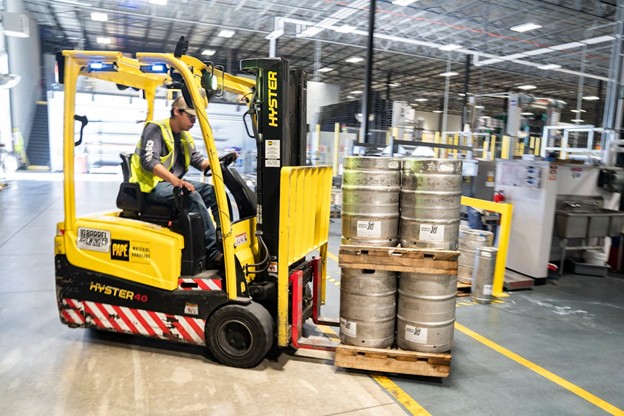
1 – Always Monitor and Maintain Equipment
As a manager who likely spends most of your time in the office, it’s all too easy to forget about what’s happening in your warehouse. But, guess what? Forgotten equipment is far more likely to malfunction, leaving both warehouse employees and general production at risk.
As such, your first step towards avoiding costly downtime is to simply prioritize equipment monitoring and maintenance, which should ideally include daily basic checks as well as more detailed oversight and maintenance precautions each month. These checks should include simply looking for obvious wear, and replacing damaged parts, as well as conducting thorough test-runs, fuel checks, and anything else that’s likely to keep that piece of equipment ticking over.
2 – Understand Voltage Requirements
While there are various reasons for warehouse downtime, issues like overheated or overloaded equipment tend to be right up there as a leading cause. At the very least, equipment that’s working under electrical strain will need time to cool down before it works again, while these issues can often lead to total breakdowns and the dreaded need for equipment replacements.
This is why it’s worth taking the time to calculate the voltage requirements of each piece of equipment in your warehouse with the help of a trained electrician, who can guide you towards additions, including AC/DC power supplies, surge protectors, and circuit breakers that can each help reduce the risks of expensive overloads.
3 – Put Precautions in Place
As mentioned, precautions like surge protectors can help with the functioning of individual pieces of equipment, but broader precautions are another important element of business. Having a backup generator in place and testing it regularly to ensure functionality can make a big difference if your power supplies ever fail you.
Further precautions might also include choosing equipment based on the unique environment of your warehouse (humidity, cold temperatures, etc.). This makes it more likely that your equipment will survive, and that your warehouse will, therefore, thrive!
